 Shanghai International Logistics Co., Ltd.
Service case
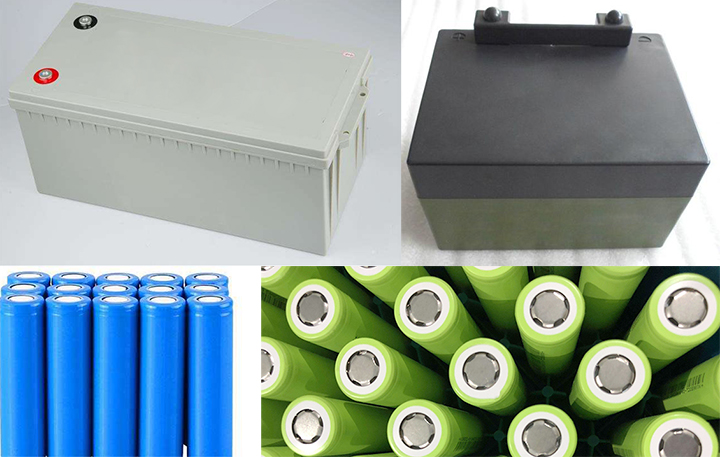 |
近些年来,越来越多的电池从中国出口到世界各地。可是,电池属于危险品,国内外海关对电池的出口把控比较严格,很多客户不知道电池海运出口需要什么资料,要提供什么单证,要走哪些流程。 电池的分类(根据国际海运危险货物规则来区分) 1、蓄电池(湿的,装有酸液)UN2794,8类危险品,主要产品有铅酸蓄电池。(电解液不同) 2、蓄电池(湿的,装有碱液)UN2795,8类危险品,主要产品有镍氢蓄电池 3、蓄电池(湿的,装有电解液,密封的)UN2800,8类危险品,主要产品有密封类蓄电池。 此类蓄电池是密封(防溢)设计,电解液在蓄电池内吸附在板与隔膜中,不可流动。对于这一类蓄电池,适用UN2800,如果能通过238条款试验,则可定为普通货物。(提供相关检测报告) 4、锂离子电池锂离子电池一般是使用锂合金金属氧化物为正极材料、石墨为负极材料、使用非水电解质的电池。UN34809类危险品常用的锂电池,广泛用于新能源汽车等。 5、设备中含有锂电子电池或者设备合装在一起的锂离子电池UN34819类危险品,常见为装有电池的手机,笔记本等一些电子设备。 |
6、锂合金蓄电池、锂金属电池。锂金属电池一般是使用二氧化锰为正极材料、金属锂或其合金金属为负极材料、使用非水电解质溶液的电池。UN3090,9类危险品
7、装在设备中的锂金属电池UN30919类危险品
8、干的蓄电池,含有固体氢氧化钾的,危险品,8类,UN3028。碱性,
9、镍氢电池,9类,UN3496。
10、燃料电池,根据电解液和里面危险成分不同,分为很多种,有以下几种类别,
UN3473,3类,UN3476,4.3类,UN3477,8类,UN3478,2.1类和UN34792.1类;
以燃料电池为动力的车辆或者以燃料电池为动力的发动机,危险品,9类,UN3166。
11、钠电池,危险品,4.3类,UN3292。
12、电池驱动的车辆或电池驱动的设备。UN31719类危险品。常见为电动车,电瓶车等。
影响电池危险性分类的特殊规定
“特殊规定”不仅涉及该UN编号的适用范围,还包含豁免条件、特殊包装要求以及特殊运输要求等信息。某些特殊规定的判定结果可直接决定电池产品的运输危险性分类及相关要求(包括政府监管内容、企业对产品的运输管理等)。
一、特殊规定230
对于锂电池(组)以及设备中的锂电池(组)(主要指UN3090、UN3091、UN3480和UN3481),只有满足特殊规定230的要求,方可进行运输。具体要求概括如下:
1)锂电池或锂电池组需通过联合国TDG《试验和标准标准手册》第三部分第38.3节8项试验(高度模拟、温度试验、震动、冲击、外短路等)(简称38.3测试);
2)每一电池和电池组都装有安全排气装置,或在设计上能防止在运输中发生普通事故的条件下受力破裂;
3)每一个电池和电池组都装有防止外部短路的有效装置;
4)每个包含多个并联电池或电池系列的电池组,都装有防止反向电流造成危险所需的有效装置(例如二极管、保险丝等);
5)电池和电池组的制造商必须有高质量的管理方案保证。
二、特殊规定304
在对碱性电池(包括UN2795,UN3028以及UN2797)进行危险性分类时,需特别注意UN3028。根据特殊规定304的要求,UN3028仅适用于运输时含干的氢氧化钾,且未激活的蓄电池,在使用前需要向单个电极中添加适当数量的水以激活。因此针对此类电池,会因运输时是否激活而适用不同的UN编号,具体如图所示。
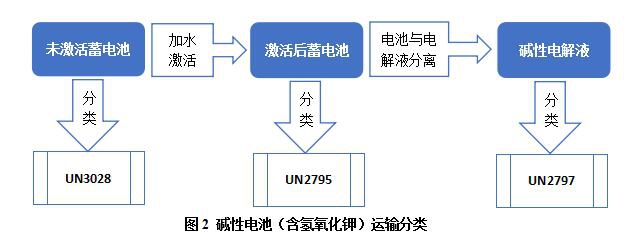
碱性电池(含氢氧化钾)运输分类
三、特殊规定328
所有的燃料电池筒包括设备中含有燃料电池筒或与设备装在一起的燃料电池筒都需满足特殊规定328相关要求,概括如下所示:
1)其设计和制造上须防止在正常运输条件下燃料发生泄露;
2)使用液体作为燃料的燃料电池筒设计类型须通过100kPa(测量)的内压试验而不发生泄露;
3) Except for fuel cell cartridges that store hydrogen in metal hydride compounds that comply with Special Provision 339, each fuel cell cartridge design type must be shown to be able to pass a 1.2-meter drop test to a hard surface in the direction of destroying its containment system without loss of contents.
Therefore, fuel cells must first meet the above basic requirements before transportation. At the same time, combined with the fuel type (flammable liquid, flammable gas or corrosive substances, etc.), refer to and meet the corresponding other special regulations before such batteries can be transported.
In addition, Special Provision 117 states that UN3496 is only applicable to maritime transportation; Special Provision 295 states that when the battery is transported by sea and the pallet is marked with appropriate marks and markings, the battery pack does not need to be separately marked and marked, and other such regulations and instructions.
Battery shipping requirements
1. The battery must pass the UN38.3 test requirements and the 1.2-meter drop packaging test.
2. The outer packaging must be labeled with a dangerous goods label and marked with a UN number.
3. It is designed to prevent bursting under normal transportation conditions and is equipped with effective measures to prevent external short circuits and protect exposed electrodes.
4. Sturdy outer packaging, the battery should be protected to prevent short circuit, and contact with conductive substances that can cause short circuit must be prevented in the same package.
5. Additional requirements for batteries installed in equipment for transportation:
①The equipment should be fixed to prevent movement within the package and packaged in a manner to prevent accidental start-up during transportation.
②The outer packaging should be waterproof, or be waterproof by using an inner lining (such as a plastic bag), unless the structural characteristics of the device itself already have waterproof properties.
6. Lithium batteries should be loaded on pallets to avoid strong vibration during transportation. Each vertical and horizontal edge of the pallet should be protected by corner guards.
7. Lithium battery loading containers must be reinforced, and the reinforcement method and strength should comply with the requirements of the importing country.
For example, in the United States, there are American Association of Railroads, American Hazardous Materials Association, North American Explosives Administration, Federal Motor Carrier Safety Administration, U.S. Coast Guard, American Department of Transportation Reinforcement Law for Category 9 Dangerous Goods Containers and the Maritime Dangerous Goods Transport Regulations.
Battery product bookings are required to provide the same information as other dangerous goods
1. Export freight power of attorney
2. MSDS
3. Export dangerous goods packaging use appraisal result sheet
Our company has many years of experience in facilitating the export and transportation of batteries. We can help customers handle the relevant documents required for export and provide customers with one-stop considerate services for their trade.
三、特殊规定328
所有的燃料电池筒包括设备中含有燃料电池筒或与设备装在一起的燃料电池筒都需满足特殊规定328相关要求,概括如下所示:
1)其设计和制造上须防止在正常运输条件下燃料发生泄露;
2)使用液体作为燃料的燃料电池筒设计类型须通过100kPa(测量)的内压试验而不发生泄露;
3) Except for fuel cell cartridges that store hydrogen in metal hydride compounds that comply with Special Provision 339, each fuel cell cartridge design type must be shown to be able to pass a 1.2-meter drop test to a hard surface in the direction of destroying its containment system without loss of contents.
Therefore, fuel cells must first meet the above basic requirements before transportation. At the same time, combined with the fuel type (flammable liquid, flammable gas or corrosive substances, etc.), refer to and meet the corresponding other special regulations before such batteries can be transported.
In addition, Special Provision 117 states that UN3496 is only applicable to maritime transportation; Special Provision 295 states that when the battery is transported by sea and the pallet is marked with appropriate marks and markings, the battery pack does not need to be separately marked and marked, and other such regulations and instructions.
Battery shipping requirements
1. The battery must pass the UN38.3 test requirements and the 1.2-meter drop packaging test.
2. The outer packaging must be labeled with a dangerous goods label and marked with a UN number.
3. It is designed to prevent bursting under normal transportation conditions and is equipped with effective measures to prevent external short circuits and protect exposed electrodes.
4. Sturdy outer packaging, the battery should be protected to prevent short circuit, and contact with conductive substances that can cause short circuit must be prevented in the same package.
5. Additional requirements for batteries installed in equipment for transportation:
①The equipment should be fixed to prevent movement within the package and packaged in a manner to prevent accidental start-up during transportation.
②The outer packaging should be waterproof, or be waterproof by using an inner lining (such as a plastic bag), unless the structural characteristics of the device itself already have waterproof properties.
6. Lithium batteries should be loaded on pallets to avoid strong vibration during transportation. Each vertical and horizontal edge of the pallet should be protected by corner guards.
7. Lithium battery loading containers must be reinforced, and the reinforcement method and strength should comply with the requirements of the importing country.
For example, in the United States, there are American Association of Railroads, American Hazardous Materials Association, North American Explosives Administration, Federal Motor Carrier Safety Administration, U.S. Coast Guard, American Department of Transportation Reinforcement Law for Category 9 Dangerous Goods Containers and the Maritime Dangerous Goods Transport Regulations.
Battery product bookings are required to provide the same information as other dangerous goods
1. Export freight power of attorney
2. MSDS
3. Export dangerous goods packaging use appraisal result sheet
Our company has many years of experience in facilitating the export and transportation of batteries. We can help customers handle the relevant documents required for export and provide customers with one-stop considerate services for their trade.